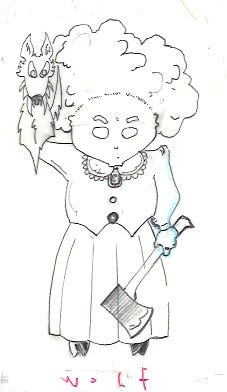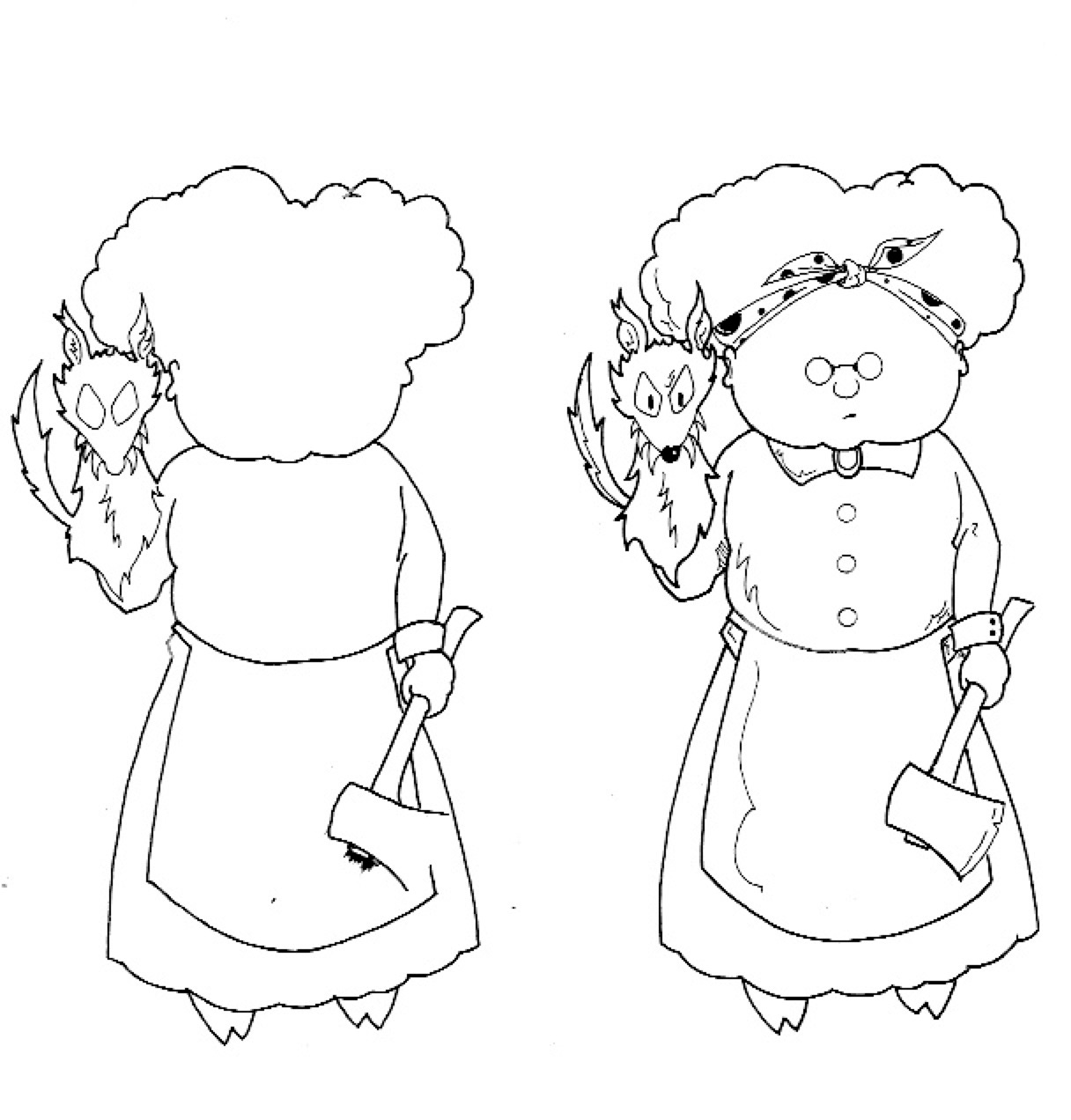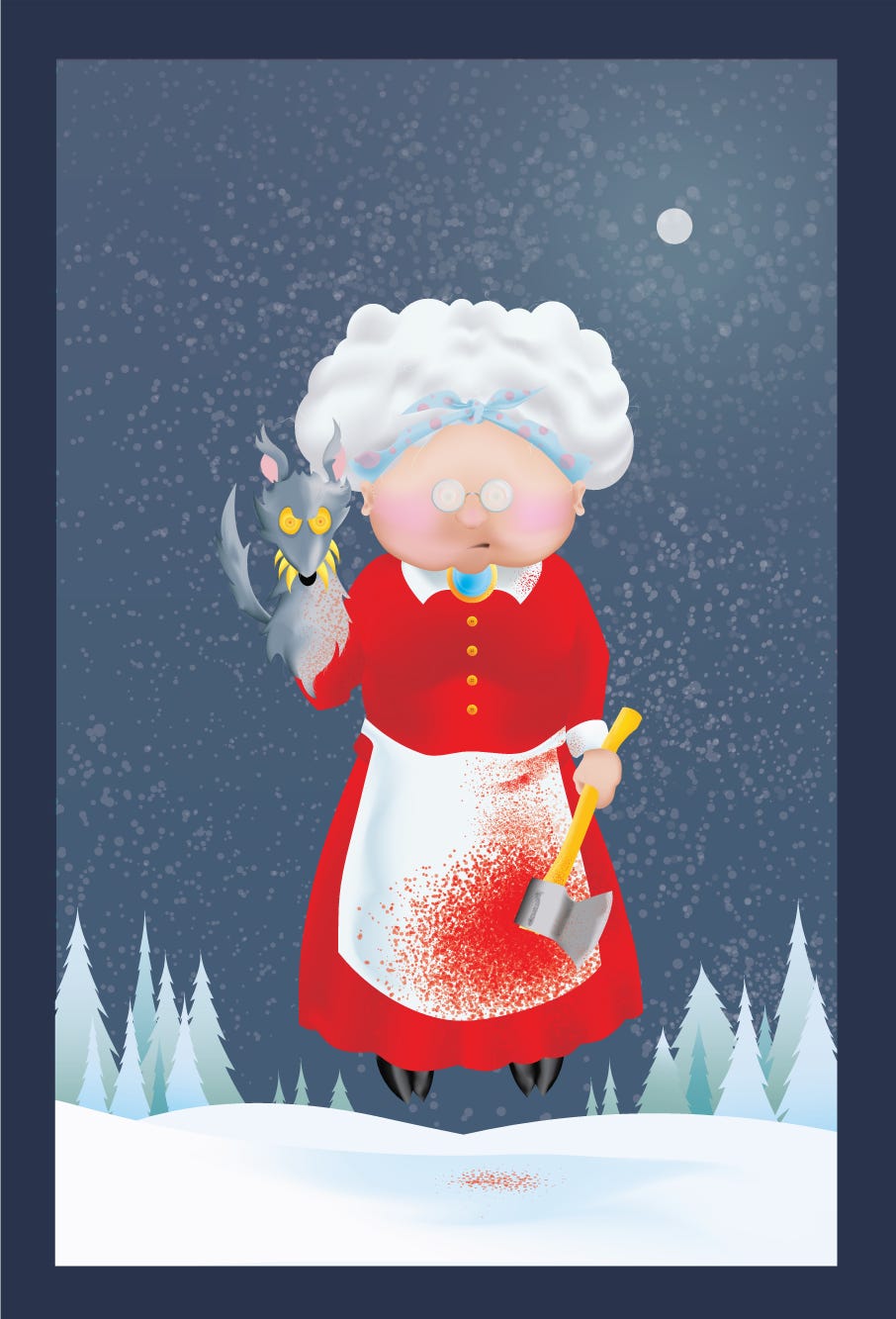
The wolf is dead! The wolf is dead!”
The craftiness of the fox, of the cat, the raven; stones, drowning, the huntsman’s hanger, the farmer’s cudgel, the woodsmans’ axe, boiling water, hounds and rifles—all have been the undoing of the wolf. And yet, the wolf, like a perennial source of terror and torment returns.
The wolf bane of the Æsir, gluttonous, malicious predator of the northern nightscape, one of the cruel and malevolent daevas of the desert imagination. The wolf: agent of concupiscence and incontinence to Virgil and Dante, the bullying Zeke Mida Wolf to the three little pigs, the archetypal, scary alpha-male predator to little Red Riding Hood, “that creepy ravenous bastard at the door” to the Seven Kids—like late afternoon shadows the wolf’s reputation looms dark and long.
But for whom does the wolf toil? What malevolent master does the wolf serve? Is the wolf an agent of God sent to punish the wicked? Does the wolf serve the Devil tormenting and terrorizing the lord’s flock to test their faith? Does the wolf execute the herd culling plans of over-zealous park rangers? Does an insecure beta sheep “creep in wolf garb” to eliminate his rivals within the flock? Does the wolf conspire with avaricious, bitter elderly matrons hoping to cash in on the insurance policies of their petulant and ungrateful wards?
What motivates the endless malevolence of the wolf?
It is perhaps a question best kept to oneself, to perhaps ponder during the day and to drive away with pleasant happy thoughts behind treble locked doors at night.